Τρίτη 30 Νοεμβρίου 2021

«Σημεία μετά θάνατον του γέροντος π. Γερβασίου Παρασκευοπούλου (+1964)»

Αναπλάστική
Σχολή Πατρών
Ένας
εργάτης στο εργοστάσιο Β.Ε.Σ.Ο. διηγήθηκε τα εξής: Κάποια βραδιά είδε στον ύπνο
του τον π. Γερβάσιο να του λέει: « Πήγαινε, παιδί μου, και αγόρασε μερικά
τρόφιμα, βάλε τα σε ένα καλαθάκι μαζί με μερικά χρήματα και σπεύσε να τα δώσεις
εις κάποιαν γριούλα- είπε ακριβώς την διεύθυνση που έμενε- διότι αποθνήσκει εκ
πείνης, χωρίς να έχει δικό της άνθρωπον». Πράγματι, το επόμενο πρωί αγόρασε τα
τρόφιμα και αφού βρήκε το σπίτι, που του είχε υποδείξει ο Γέροντας, διαπίστωσε
ότι όντως υπήρχε η γερόντισσα και ήταν σε άθλια κατάσταση. Σώθηκε, όμως, χάρη
στην επέμβαση του καλού ποιμένα, ο οποίος είχε κοιμηθεί προ πολλού. Ας
σημειωθεί ότι σε αυτή την γριούλα έστελνε συνεχώς τρόφιμα, όσο ζούσε ο Άγιος
Γέροντας.
«Το
Προορατικό Χάρισμα του π. Γερβασίου»
Είναι
γεγονός ότι ο π. Γερβάσιος ζούσε και εκινείτο εν Αγίω Πνεύματι. Ο Κύριος του,
τον Οποίο αγαπούσε από την μικρή του ηλικία, θέλοντας να τον βοηθήσει στο
δύσκολο αλλά και σωτηριώδες έργο του, τον αξίωσε να λάβη το προορατικό χάρισμα.
Οι εξομολογούμενοι σ’ αυτόν έπρεπε να προσέχουν καλά τις προβλέψεις του, γιατί
γνώριζαν από προηγούμενες περιπτώσεις πως είναι αληθινό ό,τι προβλέπει.
Μια
μοναχή, πνευματικό παιδί του π .Γερβασίου, μου διηγήθηκε τα εξής: «Όταν σε μια
από τις εξομολογήσεις μου εξέφρασα την επιθυμία μου στον Γέροντα, όπως
ακολουθήσω το μοναχικό βίο, αυτός μου απάντησε ως εξής: «Εσύ παιδί μου, θα
κάνης υπομονή και θα λέγης αυτό μόνο: «Η αμνάς σου, Ιησού. Κράζει μεγάλη τη
φωνή», ο δε πόθος σου θα εκπληρωθεί σύντομα. Επίσης μου είπε «Η Αγία
Αικατερίνη, όπου είναι προστάτις των παρθένων, θα σου αποκαλύψει κάτι. Να την
επικαλείσαι και εγώ θα κάνω προσευχή». Όντως την νύκτα βλέπω την Αγίαν στον
ύπνο μου και μου λέγει: «Γιατί στενοχωριέσαι; Γνωρίζω ότι έχεις μεγάλο πόλεμο.
Συ όμως θα λέγεις: «Εγώ είμαι νύμφη του Χριστού. Και για απόδειξιν σου φορώ
αυτό το δαχτυλίδι». Την επομένη έσπευσα στον γεροντά μου και του ανέφερα το
γεγονός. Βλέπω δε ότι αλήθευσε και η πρώτη του πρόβλεψις, ότι συντόμως θα λάβω
το Αγγελικό Σχήμα, διότι δεν πέρασε πολύς καιρός και με αξίωσε ο Θεός αυτής της
Χάριτος».
Ο π.
Γερβάσιος αξιώθηκε να λάβει από το Θεό το χάρισμα της θαυματουργίας. Ο ταπεινός
υπηρέτης του Κυρίου, αυτός που δεν επιζήτησε αξιώματα και θέσεις, έλαβε την
ιδιαίτερη εκείνη χάρη που λίγοι από αυτούς που ευαρέστησαν στον Κύριο,
αξιώθηκαν και μάλιστα ελάχιστοι πριν από την κοίμηση τους.
Μιλούν
για πλήθος θαυμάτων που έκανε όσο ακόμη ζούσε ο Πατήρ. Μεγάλη δύναμη είχε
αποκτήσει εναντίον των δαιμόνων, οι οποίοι και μόνο στο άκουσμα του ονόματός
του έφριτταν και έτρεμαν, αποκαλώντας τον «Καψάλη» και «Γεράσιμο». Πολλοί
μαρτυρούν ότι αρκούσε μόνο να υψώσει τα χέρια του στον ουρανό και ο ασθενής
θεραπευόταν.
Η
οικογένεια Περούλη από την Πάτρα πήγε για διακοπές στο χωριό Μπεγουλάκι, όπου
έμεναν οι συγγενείς τους. Κατά μια οικογενειακή παράδοση το σπίτι όπου έμεναν
ήταν «κρατημένο από αερικό», όπως έλεγαν. Μια μέρα ο πατέρας της οικογένειας,
Σπυρίδων Περούλης, ενώ καθόταν το μεσημέρι έξω από την αυλή αισθάνθηκε «σαν
κάτι» να πέρασε από μπροστά του και τον χτύπησε στο πρόσωπο. Από εκείνη την
στιγμή «κρατήθηκε» όλος. Πόνοι φοβεροί τον ταλαιπωρούσαν σε όλο του το σώμα. Το
σπίτι του Σπυρίδωνος βρισκόταν στην οδό Αγίου Δημητρίου 98 στην ενορία Αγ.
Δημητρίου Πατρών, όπου εφημέριος ήταν ο π. Γερβάσιος. Σαν εφημέριος τον
επισκεπτόταν συχνά και άλλοτε του διάβαζε ξορκισμούς και άλλοτε έκανε αγιασμό.
Κάποια μέρα τους επισκέφτηκε χωρίς προειδοποίηση και χωρίς να τον περιμένουν.
«Φέρετε μου το καντήλι, σήμερα θα τελέσω ευχέλαιο», τους είπε. Όταν τελείωσε η
ακολουθία του Ευχελαίου και ήρθε η στιγμή που θα εχρίονταν τα μέλη της
οικογένειας, ο π. Γερβάσιος πλησίασε και σταύρωσε με το Άγιο έλαιο και τον
άρρωστο Σπυρίδωνα. Την στιγμή εκείνη έγινε ένας δυνατός τοπικός σεισμός
συνοδευμένος από μια δυνατή βοή και ο άρρωστος θεραπεύτηκε, ενώ ο π. Γερβάσιος
έγινε άφαντος για να μην δεχθεί τις ευχαριστίες τους.
Πηγή:
Κυρίλλου (Κωστοπούλου) Αρχιμ., Ποιμένας Άγιος και Κήρυκας της Αληθείας, Πάτρα
1999
«Σοί. Κύριε»

Πρίν ἀπό
τό τέλος κάθε δέησης, καί ὅταν ὁ ἱερεύς προτρέπει τόν λαό λέγοντας «ἑαυτούς καί
ἀλλήλους καί πᾶσαν τήν ζωήν ἡμῶν Χριστῷ τῷ Θεῷ παραθώμεθα», ὁ λαός ἀπαντάει:
«Σοί, Κύριε». «Σέ σένα Κύριε».
Αὐτές οἱ λέξεις εἶναι πολύ γνωστές. Καί εὔκολα τίς
θυμώμαστε.
Καί κάθε Χριστιανός μπορεῖ νά τίς χρησιμοποιεῖ σέ κάθε
περίσταση τῆς ζωῆς του.
Ὅταν ἔχεις ὑγεία, καί πηγαίνουν καλά οἱ δουλειές σου, πές
μέ ὅλη σου τήν καρδιά: «Σοί, Κύριε». «Σέ
Σένα», Κύριε, ὀφείλουμε τήν εὐχαριστία.
Ὅταν οἱ ἄνθρωποι σέ τιμοῦν καί λένε καλά λόγια γιά σένα,
πές ἀπό μέσα σου:«Αὐτά δέν ἀξίζουν νά ἀποδοθοῦν σέ μένα, ἀλλά Σοί, Κύριε». «Σέ
Σένα», Κύριε, ὀφείλουμε τήν εὐχαριστία.
Καί ὅταν ὑποπέσεις στόν φθόνο τῶν ἀνθρώπων καί στήν
προδοσία τῶν φίλων σου, νά μή παρεκκλίνει ἡ καρδιά σου καί τούς κρατήσεις
κακία· ἀλλά πές: Ὅλα αὐτά τά ἀναθέτω στήν κρίση Σου καί στήν δικαιοσύνη Σου.
«Σέ Σένα», Κύριε.
Καί ὅταν θά ξεπροβοδίζεις μέσα στό φέρετρο τήν πιό
λατρευτή σου ἀγάπη, βάδιζε μέ γενναιότητα, σάν νά πηγαίνεις δῶρο στόν πιό
καρδιακό σου φίλο. Καί πές: Αὐτή τήν ἀγαπημένη μου ψυχή, Σοῦ τήν προσφέρω σάν δῶρο.
«Σοί, Κύριε».
Καί ὅταν σέ περικυκλώνουν σύννεφα δαιμονικά, θλίψεις, ἀρρώστειες
καί δοκιμασίες, μήν ἀπελπίζεσαι. Ἀλλά πές: Στήν βοήθεια καί στό ἔλεός Σου
καταφεύγω. «Σέ Σένα», Κύριε.
Καί ὅταν ὁ Ἄγγελος
ἔλθει στήν ἐπιθανάτια κλίνη σου, μήν κλάψεις! Φίλος σου εἶναι! Ἀλλά φρόντισε νά
συγχωρηθῆς μέ τούς δικούς σου. Καί πές: Τήν ψυχή μου τήν μετανοημένη, τήν
παραδίδω στά χέρια Σου. «Σέ
Σένα, Κύριε».
ΣΙΑΤΙΣΤΗΣ ΑΝΤΩΝΙΟΣ ΚΑΙ ΓΕΡΟΝΤΑΣ ΒΑΣΙΛΕΙΟΣ ΚΑΥΣΟΚΑΛΥΒΙΤΗΣ. Η ΣΥΜΠΟΡΕΥΣΗ ΔΥΟ ΣΥΓΧΡΟΝΩΝ ΑΓΙΩΝ.


Μόλις είχε τελέσει Εσπερινό στο μοναστήρι του στην
Κλεισούρα ό γέροντας Βασίλειος Καυσοκαλυβίτης καί ετοιμαζόταν νά κλείσει τήν
πόρτα, όταν ακούσε νά έρχεται ένα αυτοκίνητο. 'Ο π. Βασίλειος συνήθιζε μετά τή
Δύση του ήλιου νά άποσύρεται στο κελλάκι του.
Έκανε τό Απόδειπνο, διάβαζε αρκετές σελίδες άπό τήν Καινή
Διαθήκη σε καθημερινή βάση καί ξάπλωνε. Εκείνο τό δειλινό βλέπει έναν άνδρα καί
μία γυναίκα νά έρχονται στό μοναστήρι. Ήταν πολλοί αναστατωμένοι. Ή γυναίκα
έκλαιγε καί ό άνδρας εμφανώς στενοχωρημένος προσπαθούσε νά τήν παρηγορήσει...
'Η διεισδυτική ματιά τού γέροντα διέγνωσε άμέσως τό πρόβλημα.
-Μετά τήν άμαρτία έρχεται ή μετάνοια, Δημήτρη. Μετά τήν
άμαρτία, έρχεται ή μετάνοια καί ή μεγάλη ευτυχία τής ζωής του άνθρώπου, διότι ή
ζωή δεν είναι έδώ. Είθε νά τό καταλάβετε αυτό Έλενίτσα μου, είπε ό γέροντας
ύποδεχόμενος τούς δύο νέους!
-Σάς τηλεφώνησε ό Λάμπρος γέροντα καί σάς πληροφόρησε πώς
ανεβαίνουμε στό μοναστήρι.
-Όχι, Έλενίτσα!
-Τότε πώς γνωρίζετε τά όνόματά μας;
-Νά, καθώς παρκάρατε ήρθε ό Άγιος Δημήτριος καί μου τά
ψιθύρισε... Δέν έπρεπε παιδιά μου νά τό κάνετε αυτό. Δέν έπρεπε.
-Τό κάναμε όμως γέροντα καί τώρα δεν μάς χωράει ό τόπος.
Δέν μπορώ άκόμη να τό χωνέψω πώς σκοτώσαμε τό παιδί μας.
-Ελάτε, ελάτε νά άνάψετε ένα κεράκι και νά προσκυνήσετε
στήν Εκκλησία. Σήμερα νά μείνετε, έάν τό επιθυμείτε στό μοναστήρι.
-Ναί γέροντα, θά μείνουμε γιατί δέν θέλω ή μάνα μου νά μέ
δει σέ τέτοιο χάλι.
Ό γέροντας τούς οδήγησε στό ναό και στή συνέχεια τούς
έφτιαξε ένα ζεστό τσάι καί κάθισαν όλοι μαζί στό άρχονταρίκι.
-Κάναμε έγκλημα! Κάναμε έγκλημα! Εγώ πίεσα τήν Ελένη νά
κάνει έκτρωση. Έγώ φταίω. Έγώ έχω τήν ευθύνη γιατί την εκβίασα ότι αν δέν τό
ρίξει θά τήν έγκαταλείψω. Έπρεπε νά τό πώ στούς δικούς μου καί νά προχωρήσουμε
άμέσως σέ γάμο και όχι νά θέσουμε ώς άφετηρία τής ζωής μας τή θηλιά ενός φόνου.
Φοβήθηκα όμως γιατί ό πατέρας τής Ελένης έχει υποψιαστεί έδώ καί καιρό ότι
βγαίνω μέ τήν κόρη του και κάθε φορά πού μέ βλέπει μέ αγριοκοιτάζει.
Δείλιαζα μόνο μέ τή σκέψη νά μάθαινε πώς ή κόρη του είναι
έγκυος. Φοβήθηκα μήν τα βάλει μέ τήν Ελένη καί τήν χτυπήσει.
-Δέν φταίει ό Δημήτρης πάτερ. Καί έγώ τά ίδια σκεφτόμουν.
-Ό άνθρωπος είναι ένα όπλο ολόκληρος. Μπορεί νά σκοτώσει
μέ πολλούς τρόπους, άλλά τό μεγαλύτερο όπλο είναι ή γλώσσα.
Μπορεί ή γλώσσα νά κάνει έγκλήματα, να κάνει μεγαλύτερο
κακό άπό ό,τι κάνει ή άτομική βόμβα. Ή βόμβα θά σκοτώσει τό σώμα, ή γλώσσα όμως
μπορεί νά σκοτώσει την ψυχή. Είναι όμως καί ό καλύτερος γιατρός.
Πολλές φορές θεραπεύει άρρώστιες πού δέν μπορούν νά τις
θεραπεύσουν γιατροί. Τό χειρότερο αμάρτημα πού κάνουμε, είναι πού σκοτώνουμε
τόν άνθρωπο ψυχικά καί σωματικά, έκούσια ή άκούσια. Ή οικογένεια είναι σάν μία
έκκλησία. Εκκλησία μέ ζωντανές εικόνες. Γι’ αύτό τό λόγο, πρέπει νά είναι
άγαπημένη καί ενωμένη σάν ένα δεμάτι κληματόβεργες. Γιατί ή γυναίκα είναι ή
κολώνα του σπιτιού, ό δέ άνδρας είναι τό δοκάρι. Οί ζωντανές εικόνες είναι τά
παιδιά μας, τά οποία πρέπει νά πειθαρχούμε καί νά τά οδηγούμε, στον σωστό δρόμο
τού Θεού. Έάν ή κολώνα λυγίσει, τότε καί τό δοκάρι θά άρχίσει κι αυτό νά
κάμπτεται καί τότε ή εκκλησία, αύτή ή οικογένεια, θά γκρεμιστεί καί οί ζωντανές
εικόνες, οί οποίες είναι τά παιδιά μας, θα καταστραφούν. Γι’ αύτό άς προσέχουν
όλοι οί γονείς, πειθαρχία εις τά παιδιά τους, έξίσου άγάπη καί όχι με διάκριση.
'Η αγάπη δέ νά είναι γνήσια καί όχι επιδεικτική, γιατί ή επίδειξη είναι
καταστροφική.
-Δεν σας είπαμε γέροντα άκόμη τό πιό χειρότερο. Στό
νοσοκομείο πού πήγαμε για τήν έκτρωση, πέσαμε πάνω σε μία χωριανή μας, φίλη της
μάνας μου. Ή κόρη της δουλεύει νοσοκόμα καί δέν ξέρω άν έμαθε γιά τήν έκτρωση.
Αποφασίσαμε με τόν Δημήτρη νά μήν πάμε στό χωριό. Δέν ξέρω τι νά κάνουμε;
-Αύριο θά έρθει ένας παπάς άπό τή Σιάτιστα νά
λειτουργήσει. Είναι καί καλός πνευματικός. Αύτά πού σάς βαρύνουν να τά πείτε
στό πετραχήλι του καί εκείνος θά σάς πει τί θά κάνετε. Απόψε θά κάνω
κομποσκοίνι. Τώρα νά δούμε τί έχουμε στο ψυγείο γιατί ’Ελενίτσα πέραν τού πόνου
πού ένοιωσες θά είσαι κι εξαντλημένη. Κάποιος χριστιανός πού πέρασε τό μεσημέρι
- έβαλε μία τσάντα μέ τρόφιμα στό ψυγείο.
Ανοίξτε την νά δείτε τί έφερε.
Ή Ελένη σηκώθηκε καί άνοιξε τό ψυγείο ένώ ό Δημήτρης
άρχισε νά στρώνει τό τραπέζι. Στήν τσάντα ύπήρχαν όλα τα καλούδια τού Θεού.
Είχε τέσσερα μεγάλα κομμάτια τυρόπιττα χωριάτικη, είχε τρεις ντομάτες, ένα μπολ
μέ κεφτεδάκια κι ένα μπόλ μέ πατάτες καί ρύζι. Ή Ελένη τά μοίρασε σέ τρία
πιάτα, όμως ό γέροντας κράτησε λίγο ρύζι καί τά ύπόλοιπα τά μοίρασε στά δύο
παιδιά. 'Ο ίδιος άλλωστε είχε νά φάει κρέας άπό τό 1965.
-Μά γέροντα μόνο δύο κουταλιές ρύζι θά φάτε, άκόμη καί τά
σπουργίτια τρώνε περισσότερο;
-Είχα τσιμπήσει κάτι, λίγο πρίν έρθετε. Παρέα θά σας
κάνω... είπε ό γέροντας Βασίλειος, ό όποιος πάντοτε ήταν λιτοδίαιτος κι έτρωγε
σάν πουλάκι. Οί δύο νέοι έφαγαν καί στή συνέχεια ό π. Βασίλειος Καυσοκαλυβίτης
τούς οδήγησε στά δωμάτια τους.
-’Ελενίτσα κοίταξε νά ξεκουραστείς και νά κοιμηθείς. 'Η
Παναγία μας άφουγκράστηκε τόν πόνο σου καί θά δώσει τήν καλύτερη λύση. Έσύ
Δημήτρη πάρε αύτό το βιβλίο καί θά διαβάσεις αύτούς τούς ψαλμούς όρθιος γιά νά
μήν σέ πάρει ό ύπνος. 'Ο γέροντας τού έδωσε τό ψαλτήριο και τού ύπέδειξε ποιούς
ψαλμούς θά διαβάσει πρίν νά ξαπλώσει.
Ήταν περασμένες δύο μετά τά μεσάνυχτα όταν ό Δημήτρης
άκουσε ένα θόρυβο εξωτερικό άπό τό μέρος τής Εκκλησίας. Κοίταξε έξω άπό τό
παράθυρο καί είδε πώς ολόκληρος ό ναός φεγγοβολούσε ένώ άπό τό παράθυρο
διέκρινε τή φιγούρα του γέροντα. Είχε κοιμηθεί δύο-τρείς ώρες με τό ζόρι ό
ίδιος. Ή ένταση τής χθεσινής ημέρας τού προκαλούσε χίλιες σκέψεις πού τον
εμπόδιζαν νά συνεχίσει τόν ύπνο του.
Αποφάσισε λοιπόν νά κατέβει στό ναό. Ντύθηκε καί άφού
κοντοστάθηκε στήν πόρτα της άγαπημένης του καί άφουγκράστηκε την άναπνοή της
κατέβηκε στό ναό. "Ανοιξε την πόρτα σιγά-σιγά. Τό θέαμα πού είδε τότε θά
τό θυμάται σέ όλη τή ζωή του. ΕΪδε τον γέροντα γονατιστό μπροστά στήν εικόνα
τής Παναγιάς νά φεγγοβολά ένώ δύο λευκοντυμένοι άνδρες, σάν άγγελοι στέκονταν
δίπλα του. 'Ο γέροντας φαινόταν νά συνομιλεί μέ τήν Παναγία. Στήν άρχή νόμιζα
πώς λέγει προσευχές άλλά όταν έστησα τό αύτί μου γιά να ακούσω καλύτερα
διαπίστωσα πώς της μιλούσε γιά μένα και τήν Ελένη. Τό μόνο πού συγκρότησα άπό
τήν όλη υπερκόσμια εικόνα ήταν τά λόγια τού γέροντα: «Πάντες οι μετανοούντες,
οί προστρέχοντες εις τήν οδόν του φωτός, πάντες σωθήσονται. Γιατί ό Θεός θέλει
πάντες σωθήναι. Κι εις έπίγνωσιν έλθεῖν. Στενή γάρ καί τεθλιμμένη ει ή οδός τής
σωτηρίας, φαρδιά καί ευρύχωρος ει ή οδηγούσα εις τήν απώλεια. Μετάνοια,
ταπείνωση, ύπομονή, αγάπη, οδηγούν εις
τήν στενή πύλη τής σωτηρίας των ψυχών.
Ούχί ύψηλοφροσύνη, ούχί κοιλιοδουλεία, ούχί φιλαργυρία,
ούχί πορνεία»! Έκλεισα πάλι τήν πόρτα καί γύρισα στό δωμάτιό μου. Αρχισα νά
λέγω συνεχώς τό «Κύριε ’Ελέησον» μέχρι πού μέ ξαναπήρε ό ύπνος μέχρι τίς έξι τά
ξημερώματα, όταν ό γέροντας Βασίλειος μου χτύπησε τήν πόρτα. -Δημήτρη, αυτό πού
είδες τό βράδυ στο ναό, νά μήν τό πεις σέ κανένα. Κατάλαβες; Ούτε στήν
’Ελενίτσα. Σέ δύο μήνες από σήμερα θά έρθω στό γάμο σου νά ψάλω καί του χρόνου
έδώ στό μοναστήρι θά βαπτίσουμε τήν κορούλα σου, στήν όποια θα δώσεις τό όνομα
τής Παναγιάς, του είπε ό γέροντας ένώ του έδωσε ένα φάκελο, λέγοντάς του νά τόν
άνοίξει μόλις φθάσει στό χωριό.
-Ναί, ναί, άπάντησε άμήχανα ό Δημήτρης.
Λίγο πρίν τίς επτά στό μοναστήρι έφθασε μέ ένα ταξί ό..
.παπάς άπό τά Σιάτιστα.
Μόλις τόν είδα τά έχασα. Δέν ήταν απλός παπάς άλλά ό
δεσπότης Αντώνιος. Κι ήταν μόνος.
-Σέ λίγο άρχισε ή Θεία Λειτουργία. Ό δεσπότης λειτούργησε
ώς άπλός παπάς καί ό γέροντας έψαλλε. Τέτοια θεία Λειτουργία δέν έχω βιώσει στή
ζωή μου. Τόσο έγώ, όσο καί ή Ελένη νομίζαμε πώς είμαστε στον ουρανό καί
άκούγαμε άγγελικούς ύμνους. Στό τέλος τής Θείας Λειτουργίας ό δεσπότης είπε:
-π. Βασίλειε λέγω νά μήν καταλύσω άκόμη. Νά εξομολογήσω
τά δύο παιδιά, νά τα κοινωνήσω καί μετά νά καταλύσω.
-Νά είναι εύλογημένο Σεβασμιώτατε, να είναι ευλογημένο!
Πρώτα εξομολογήθηκε ή ’Ελενίτσα. Μιλούσε μέ τόν Αγιο Επίσκοπο
μία σχεδόν ώρα! Κάποια στιγμή έκλαιγαν καί οι δύο, γεγονός πού έκανε τόν
Δημήτρη νά άπορε!. Στό τέλος, όμως είδε τήν Ελένη καί τα έχασε. Ελαμπε σάν τόν
ήλιο. Τόσο όμορφη δέν τήν είχε δε! ποτέ. Στήν συνέχεια στον θρόνο τής μετάνοιας
κάθισε ό Δημήτρης. Εμεινε κι αυτός άρκετή ώρα. Τό χρονικό εκείνο διάστημα ή
’Ελένη συζητούσε μέ τον γέροντα Βασίλειο.
-Πάτερ, χθές ήθελα νά άνοίξει ή γή νά με καταπιεί. Σήμερα
πετάω μετά τήν εξομολόγηση. Σάς εύχαριστώ, σάς ευχαριστώ!
-Ή πίστις καί τό θάρρος ’Ελενίτσα σώζουν. Ας έχουμε
λοιπόν πίστη πρός τόν Κύριόν μας καί θάρρος εις τά μαρτύριά μας. Ένα ψηλό βουνό
διά τής πίστεως πρός τον Ιησού, μέ τόν λόγο μας μπορούμε νά τό ραγίσουμε. Αύτός
πού πιστεύει στόν Χριστό κι άν άκόμη πεθάνει θά ζήσει. ’Ελενίτσα σ’ όλη σου τή
ζωή νά μήν λησμονάς νά ανάβεις κάθε φορά πού πηγαίνεις στήν εκκλησία κι ένα
κεράκι γιά τό παιδί πού έχασες. Πολύ όφελος πνευματικό θά έχεις. Θά κοιτάξω νά
έρθω στό γάμο σας, τόν όποιο πρέπει νά επισπεύσεις. Τό νά ζείτε έτσι συνιστά
πορνεία. Θά μιλήσεις πρώτα στή μητέρα σου γιά τόν Δημήτρη καί ό δεσπότης θα
άναλάβει τόν πατέρα σου.
-Πάτερ, θά μπορούσα νά έρχομαι στό μοναστήρι μέ τόν
Δημήτρη, νά σάς βοηθάμε;
-Τώρα προέχει νά κοιτάξεις τό γάμο σου.
’Ε! μετά δέν ξέρεις μπορεί ό Θεός νά σου χαρίσει κανένα
άγγελουδάκι.
Οί δύο τους είπαν άρκετά, μέχρι τήν ώρα πού ό δεσπότης
φώναξε τήν Έλενίτσα καί κοινώνησε καί τα δύο παιδιά.
Έπειτα άπό όλιγόλεπτη συζήτηση πού είχε ό δεσπότης μέ τόν
γέροντα ό Δημήτρης καί ή ’Ελένη άλλά καί ό δεσπότης άποχαιρέτισαν τόν π.
Βασίλειο.
Τά δύο παιδιά μετέφεραν τόν Αγιο Επίσκοπο στά γραφεία τής
Μητροπόλεως και κίνησαν νά επιστρέφουν στό χωριό τους.
Τήν ίδια ώρα ό δεσπότης τηλεφώνησε στο παπά του χωριού
τους καί του ανακοίνωσε πώς θά ήθελε επειγόντως νά δεῖ τόν πατέρα τής
’Ελενίτσας, ό όποιος ήταν καί άριστερός ψάλτης στό χωριό του.
Μετά δύο ημέρες ό Δημήτρης περνούσε μαζί μέ τούς γονείς
του τό κατώφλι του σπιτιού τής άγαπημένης του. Έβαλε μετάνοια στόν πατέρα της,
του ζήτησε συγγνώμη πού δέν είχε τό θάρρος νά τό κάνει άπό τήν πρώτη στιγμή πού
συνδέθηκε μέ την κόρη του καί τόν παρακάλεσε νά συναινέσει στό γάμο του μέ τήν
Ελένη. Εκείνος τόν άγκάλιασε, τόν άσπάστηκε καί του είπε: «Πάντα ήθελα ένα γιό
στό σπίτι μου».
Όλα έγιναν όπως τά είπε ό γέροντας Βασίλειος. Όλη ή
οικογένεια έκτοτε συμβουλευόταν γιά όλα τά ζητήματα τόν γέροντα Βασίλειο
Καυσοκαλυβίτη, ένώ ό Δημήτρης καί ή Ελένη ήταν κάτω άπό τό πετραχήλι του Αγίου
Επισκόπου Αντωνίου μέχρι και τήν κοίμησή του!
ΕΦΗΜΕΡΙΔΑ ΣΤΥΛΟΣ ΟΡΘΟΔΟΞΙΑΣ.
MONUMENT TO ST. JOHN OF KRONSTADT ESTABLISHED IN HIS HOME VILLAGE.

On
November 1, a monument to the Righteous St. John of Kronstadt, one of the most
beloved Russian saints, was opened in his home village.
The
bust was unveiled by Archimandrite Joseph (Volkov) at the entrance to the
Church of St. John Kronstadt in the village of Sura, Arkhangelsk Province, in
northwestern Russia, reports the Arkhangelsk Diocese.
As of
2010, the population of Sura was 727, with 11 streets.
The
monument was earlier consecrated in the St. Nicholas Cathedral in Kronstadt,
where the great wonderworker served. The entire project was supported by local
charities.
Three
identical sculptures will be sent as gifts to Orthodox communities in
Australia, Los Angeles, and Abkhazia.
In his
address, Metropolitan Kornily of Arkhangelsk noted that St. John’s prayerful
protection is especially felt in the village, and that the monastery he founded
there, revived several years ago, spiritually nourishes the faithful in Sura
and the surrounding villages.
St. George Karslides heals the Metropolitan

Metropolitan
Benediktos of Philadelphia, venerating the holy tomb of St. George Karslides
On the feast of St. George Karslides in Drama
(11/4/14), was found the Metropolitan Benediktos of Philadelphia as a pious
pilgrim.
His
Eminence wished to thank the celebrating Saint from his heart for the miracle
that he worked for him recently.
According
to information from Romfea.gr, a short time ago, there appeared a serious
problem with his vocal cords.
He
made numerous visits to special physicians, without finding the cause of his
problem or more importantly giving him healing.
When,
at the suggestion of the Abbess of the Holy Monastery (of the Ascension of
Christ, Sipsa), Gerontissa Porphyria, he drank some holy water from the grace-flowing
relics of St. George, and after prayer, his throat was healed.
As a
sign of thanksgiving for the Saint's miracle, he vowed to take a cow to his
monastery, on his feast.
The
fulfillment of his vow occurred on November 4th, 2014.
Why do women cry

Why do
women cry
A
little boy asked his mother, “Why are you crying?”
“Because
I’m a woman,” she told him.
“I
don’t understand,” he said.
His
Mom just hugged him and said, “And you never will.”
Later
the little boy asked his father, “Why does mother seem to cry for no reason?”
“All
women cry for no reason,” was all his dad could say.
The
little boy grew up and became a man, still wondering why women cry.
Finally
he put in a call to God. When God got on the phone, he asked, “God, why do
women cry so easily?”
God
said:
“When
I made the woman she had to be special.
I made
her shoulders strong enough to carry the weight of the world, yet gentle enough
to give comfort.
I gave
her an inner strength to endure childbirth and the rejection that many times
comes from her children.
I gave
her a hardness that allows her to keep going when everyone else gives up, and
take care of her family through sickness and fatigue without complaining.
I gave
her the sensitivity to love her children under any and all circumstances, even
when her child has hurt her very badly.
I gave
her strength to carry her husband through his faults and fashioned her from his
rib to protect his heart.
I gave
her wisdom to know that a good husband never hurts his wife, but sometimes
tests her strengths and her resolve to stand beside him unfalteringly.
And
finally, I gave her a tear to shed. This is hers exclusively to use whenever it
is needed.”
“You
see my son,” said God, “the beauty of a woman is not in the clothes she wears,
the figure that she carries, or the way she combs her hair. The beauty of a
woman must be seen in her eyes, because that is the doorway to her heart – the
place where love resides.”
St. Nicholas helping the Poor Couple

There
was a couple in Constantinople who had always had a special love for Saint
Nicholas. Each feast day they celebrated with special food, wine, holy bread,
and candles. Now that they were old, and no longer able to work, they were very
poor. The man asked his wife how they could get money to buy what was needed.
She took an old carpet, saying, "Here is our last posession. Sell it and
then buy all we need to show our gratitude to God and Saint Nicholas." The
old man took the rug and set off to the marketplace.
Arriving
at the market, a distinguised looking nobleman asked how much the rug cost. The
man told him what it cost when new, saying he'd take whatever he could get for
it. The nobleman gave him six gold pieces—much more than the man expected—took
the rug and left. People near the man were puzzled as he seemed to be talking
to himself. After purchasing the needed items, the man headed home.
Meanwhile,
back at the house, a distinguished looking man approached the woman, "Take
this rug. Your husband is an old friend of mine and I met him at the
marketplace today." And he gave her the carpet.
When
the man returned, his wife accused him of not selling the carpet, "How
could you break your promise and not sell this rug?" "Who gave the
rug to you?" he asked. She described the man, and he realized it was the
same person who'd bought the rug. The man, realizing it must have been a
miracle, exclaimed, "The Lord liveth! The man who bought the carpet from
me and brought it back to our poor home, is indeed St. Nicholas, for a man saw
me talking to him and asked if I saw an apparition, for the saint was
invisible." He showed his wife what he'd bought—food, wine, holy bread,
candles—and the left-over money.
Rejoicing,
they hurried to the church of St. Nicholas to tell the Patriarch all that had
happened. After hearing the story, the Patriarch gave the couple a generous
life pension. They returned home for a fine St. Nicholas feast with hymn
singing and prayers of thanksgiving.
The Cross is a way of life

It is
the way of life.
The
Cross is not only the “symbol” or “sign” of Christ, but it is also way of life
for the Christians or rather “THE way of life for the Christians”. Just as
there is no true Christ without the Cross, so there is no true Christian
without the Cross, that is, without participation in the Cross of Christ, as
the Savior himself tells us: “He who does not lift up his cross and follow me,
cannot be my disciple”(Luke 9:27).
Abbot
Georgios Kapsanis of Gregoriou
He
leaves immediately.
The
power of Christ is greater than the power of the devil. When we keep saying the
Jesus Prayer and we believe that we will be saved by our prayers, the
temptation immediately goes away.
Gerondissa
Makrina Vassopoulou
PATIENT ENDURANCE IS THE FRUIT OF VIRTUE, AND IT IS NOURISHED BY PRAYER Metropolitan Athanasios of Limassol.
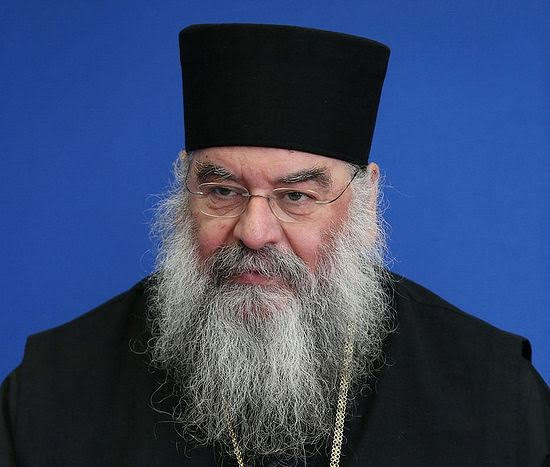
In the
book, The Church's Open Heart, (Sretensky Monastery Press, [in Russian] 2014)
the memoirs of Metropolitan Athanasios about elders—contemporary ascetics with
whom he studied in a spiritual school—are collected, as well as the sermons and
teachings of Vladyka, who is well-known not only to the Orthodox world, but
also beyond it. Thus, what examples do elders give by their life to us
Christians who live in a very complicated world today? And what can and must we
contrast with the troubles that come crashing down on us like an avalanche? Our
correspondent from Pravoslavie.ru talks about these questions and more in an
interview with the archpastor of Limasol while he was in Moscow.
Metropolitan Athanasius of Limasol.
"Pray
Always"
We
laypeople like stories about miracles very much, and about grace-filled gifts,
but we forget somewhat about the price we have to pay for these things. Your
book opens with a conversation about the holy elder Joseph the Hesychast. Tell
us a little bit about the labors that he and his community performed, and about
what lesson we laypeople can derive from this—without, of course, dreaming of
duplicating it all.
Elder
Joseph the Hesychast lived on Mt. Athos, though I did not manage to meet him
while he was alive, as he reposed in 1959. But I did get to meet all his
disciples.
My
starets—Elder Joseph from Vatopedi Monastery—was a disciple, the first disciple
of Elder Joseph the Hesychast, and so my monastic life began under the
influence of his spiritual school.
Elder
Joseph was one of the most outstanding spiritual figures on Mt. Athos in the
twentieth century. He was a great ascetic, but also a notable hesychast.1 His
life was full of miracles and the activity of God and the Most Holy Mother of
God. In spite of the fact that he was a hermit—that is, he did not go out
anywhere—four of his disciples subsequently became the spiritual fathers of
hundreds of monks.
Right
now there are approximately a thousand of us—monks who came from Elder Joseph
the Hesychast. Out of the twenty monasteries on Mt. Athos, six of them were
revived by spiritual children of Elder Joseph. We consider that his prayers and
his presence greatly influenced our monastic life.
We
inherited three important things from Elder Joseph the Hesychast and his
disciples: the first consists in the value of obedience—to the Church and to
one's elder. The second, in taking part in the Divine Liturgy, in the
Eucharist, that is, in regular Communion. And the third is the practice of
mental prayer.
Our
whole monastic life was and is dedicated to these three important things. Elder
Joseph the Hesychast was occupied in unceasing mental prayer for six hours
every evening.
He
would spend eight hours at night serving the all-night vigil. Six hours were
dedicated to mental prayer and spiritual reading, and two hours to the Divine
Liturgy, which was celebrated daily. This all began at sunset. On Athos, if
eight hours pass after sunset, it is already sunrise—especially in the summer.
And
after sunrise the fathers would rest a little, then, after a small breakfast—a
cup of coffee or some kind of dried bread—they would work very hard in order to
survive. In the afternoon they would have dinner, and after that they would lie
down to sleep. An hour before sunset they would get up and once again perform
Vespers by prayer-rope, have a cup of tea or eat some kind of fruit, and after
sunset the all-night vigil would begin, which would last eight hours.
His
disciples lived by such a rule, and for some time we also lived like that.
Today
it is a great blessing that Elder Joseph's teaching has spread over the whole
Orthodox world. But even Western Christians and people of other religions are
interested in the elder and translate his few works into their own languages.
Today
laypeople are so busy that in the morning when they get into the car they turn
on tapes of the morning rule, and glory to God, that they manage to do even
this. What should laypeople do—contemporary people who are busy at their work
but who should nevertheless pray and come to church?
Prayer
is the unceasing remembrance of God. God’s presence ought to be unceasing in
our life. If we learn to say the Jesus Prayer, this little prayer: “Lord Jesus
Christ, Son of God, have mercy on me,” if we fill all our time with addressing
God, if we do the Jesus Prayer at all times—when we are taking a shower,
eating, or when we are in the car (instead of listening to the radio), or when
we’re in the subway, on a bus, or in church, that will be more than enough. The
remembrance of God must accompany all the things that we do in our life.
In
your book, when you are telling the story about Elder Porphyrios, you cite this
episode: A woman called him on the telephone, after he had already died on Mt.
Athos. He answered her: “Don’t call me any more—I’m dead.” What did he do that
for, when she could find this out by ordinary means?
(Laughs)
Yes, when she asked, “May I call you again, Elder?” he answered her, “You don’t
need to call me any more—I’m dead” (Laughs). And the same thing happened to a
nun on Cyprus. She heard about this occurrence, and, as she had very close ties
with Elder Porphyrios, she started to get curious, and she decided to call him
on the phone, wondering if he would answer her or not. He answered her, “Dear,
what are you doing—experiments here?” and hung up the phone.
Elder Paisios and the young Fr. Athanasios
Elder
Paisios was your teacher. Two stories: when Fr. Paisios was on Mt. Sinai, at
St. Catherine’s Monastery, they sent an imam there—and as is well known, there
is a mosque on the territory of St. Catherine’s Monastery. The father superior
wanted to complain, but Fr. Paisios said, “Wait, wait, we’ll say a prayer right
now…” They prayed, and the imam went away and never showed up there again. The
second case—when they were supposed to show the film The Last Temptation of
Christ in Greece, and the elder blessed people to fight this, to protest. Where
is the line here—when should we try to influence what is going on around us by
prayer, and when must we express our position?
Holy
people such as Elder Paisios did not behave themselves in life simply by going
by some sort of rule. Even in little life situations, before undertaking
anything, they first prayed, received a notification from God, and behaved
accordingly.
Elder
Paisios never went out into the public, but in this case he went, in order to
participate in this protest together with all of the people. I am sure that he
did this after prayer, after having prayed.
Even
when some visitor would come to him, he would pray first, and only then would
he open the door to him: that is, first he received notification from God
whether to open the door to this visitor or not.
Once I
even asked him, “Elder, but they’re knocking at the door—let’s open it!” And
the Elder answered that he didn’t have any directive from God to open the door
to this person.
That
is, even in such simple things he had to receive notice from God. And all the
more so, when this had to do with more serious situations. Therefore, we cannot
establish any rules as to how we should behave in this or that case by some
story, because the saints in each case prayed to God before acting.
We
shouldn’t think that if some protest is organized, that we must by all means
participate in it, because Elder Paisios participated in one.
Likewise,
we shouldn’t say that we won’t go, because Elder Paisios didn’t go. We have to
have discernment and discern God’s will in each separate case.
In
your book you also tell about St. Arsenios of Cappadocia, and there are such
penetrating words there: “He overcame the torment of the saints.” And, telling
about Elder Joseph, you talk about how he endured eight years of the cruelest
demonic warfare. “Give blood and receive the Spirit.” What does “Give blood”
mean for a contemporary Christian? How can he put this into practice?
When
Elder Paisios returned from Australia—he had gone there at the invitation of an
Australian archbishop—I asked him what kind of people lived in Australia. How
do they struggle, how are they saved, and do they love God?
The
Elder answered that he had met great people in Australia, because there people
are saved through pain, through humility, patience and prayer.
I
think that this relates to all people who live in the contemporary world. Pain
is present in every person’s life—in our personal life, in the life of our
family, in the life of our country, in the whole world, in all of society.
Wherever
you look, everywhere there is pain, war, death, and problems. It’s enough to
listen to one news bulletin and your heart is already filled with pain.
Now we
have the ability to get information from the whole world. And we must pray and
display endurance in this whole situation.
That
is the way that will lead us into the Kingdom of Heaven. Not for nothing did
the Lord Jesus Christ say to us: “In your patient endurance save your souls.”2
He did not tell us that it was through fasting or prayer—He said that it was
through patient endurance. Patient endurance is the fruit of faith, and it is
nourished by prayer. And all this happens within the Church.
“No
one can cause harm to John except John himself”
Since
we have already begun to speak about patient endurance, I will ask you about
the family—a good number of pages are dedicated to it in your book. Here, a
great many people are only first-generation church-goers, and they do not have
the experience of a Christian family—their mothers, fathers, and grandfathers.
Where can they learn about the Christian understanding of the family?
The
Christian life is not complicated and not hard. The Christian life is simple.
The Lord did not teach us things that are hard to put into practice. We have to
fulfil God’s commandments with simplicity, live with the Sacraments of the
Church, teach our children God’s Word and not worry, not get upset about what
tomorrow will bring.
The
Lord told us that, first of all, we must seek the Kingdom of God, and He will
give us everything else.
Let’s
take the first Christians—they didn’t even have a Gospel that they could read,
because it hadn’t yet been written. But Christ was for them their Guide and
Teacher.
We
people on Cyprus were in slavery for 800 years—about 400 under the Franks and
400 years under the Turks. They didn’t allow Greeks to get an education—all
Greeks were uneducated. Priests learned the Divine Liturgy by heart. My
grandmother didn’t even know how to write her name. Nevertheless, in the course
of 800 years the people preserved the Orthodox Faith, and preserved their
families, because they lived within the Church.
And in
the course of 70 years what preserved Russia? Absolutely, the Divine Liturgy
preserved Russia and the whole world. And this little leaven was enough for all
of Russia.
In
your book it tells the following story: a son complains about his father, that
he drinks and is going out with another woman. And they tell him, “Look at this
from another point of view. He is suffering and therefore he is acting like
this.” How can we learn to put up with our close ones who, in our opinion, are
behaving badly in some way?
One
day a young man came to Elder Paisios and said, “Elder, my relatives, my
brother and sister—no one understands me. I am suffering a great deal because
of this.” The Elder answered him, “My dear! If they do not understand you, then
you try to understand them! First, understand right away that they are not able
to understand you—what do you want them to understand you for, when they aren’t
able to understand you? Understand that their weaknesses, their problems keep
them as it were to themselves. Look at them with understanding and love. Don’t
expect anything from people, so as not to suffer. Better to expect something
from God.”
Then
this person thought: “If I understand them, then I won’t suffer from the fact
that they don’t understand me.” I also say this to people who complain about
similar things. “My husband doesn’t understand me.” At that I tell her,
“Understand him, and then your problem will be solved.” It seems to me that
this works.
Vladyka,
you often talk about the upbringing of children. There is this problem: often
children at 12, 13, or 14 years of age go out of church or don’t want to come
to the services. What do you advise parents to do in such situations?
If a
parent concerns himself over his child’s upbringing from the moment of his
conception—that is, when the child is still an embryo, because contemporary
elders say that the upbringing of children begins even before they are born,
even before they are conceived—if even then we begin bringing them up, then
before they are 12 we can do a great deal.
And
when a child gets to be 12, 13 or 14 and he reaches adolescence and is going to
“rebel” and “revolt,” then outwardly, doubtless, we will not be able to do
much—but perhaps this isn’t even necessary, because we have already done
everything before this. And in this case we must simply pray very hard.
Elder
Porphyrios the Kapsokalivite
St.
Elder Porphyrios told one woman who was complaining to him that she talked to
her son about God, but he didn’t listen, “Don’t worry. Just change the way you
act. Talk to God about your child, instead, and God will want to listen to you.
Then the Lord Himself will have a talk with your child.”
The
Lord doesn’t worry, the way we start to worry. And He doesn’t panic. He doesn’t
have any situations where He doesn’t know what to do. The Lord leaves a person
his freedom, then He embraces him and leads him back to Himself.
Once a
young man who had disavowed everything came to Elder Paisios. He said to the
Elder, “I have done everything possible and have left God.” The Elder embraced
him, kissed him, and said, “Here you have run and run and run and have run
right to the doors that lead to God.”
In one
of your conversations you say that we have to show respect for each person, for
his faith and culture, without detriment to his faith or culture. How was it
possible to realize this under the conditions, for example, when Cyprus was
enslaved for 800 years?
Undoubtedly,
those who enslave other people do not respect them. However, they can enslave
our body, they can destroy our house, they can kill all the people around us,
but they cannot take our soul.
One
great saint of the times of the Turkish domination in Greece, St. Cosmas of
Aetolia, used to say to the enslaved Greeks, “If the Turks want your money,
give it to them. If they need your houses, give them your houses. If they want
your cattle or your fields, give them all of this. Give them everything that
they want. Only do not give them your soul.”
Do not
give anyone your soul. People can enslave everything they please, except our
souls. Only sin can enslave our soul. The holy fathers feared sin, but not any
kind of outward event. But even sin cannot enslave us if we do not consent to
it. There is a story about St. John Chrysostom, who rebuked and reproved
Empress Eudoxia. She was very angry and wanted to send him into exile. She was
a very bad person. Then the Patriarch’s deacons and subdeacons came to him and
said, “The Empress is looking for you, in order to send you into exile
somewhere. She wants to cause you harm.” St. John Chrysostom began to laugh and
answered, “Don’t fear—no one can cause me harm, except me, myself. No one can
cause harm to John except John himself.”
“The
Body and Blood of Christ unites the Church”
Metropolitan
Athanasios of Limasol The Church’s Open Heart / Translated from the modern
Greek by A. Volgina and A. Saminskaya. Moscow. Sretensky Monastery Press, 2014.
320 pages, illustrated.Metropolitan Athanasios of Limasol The Church’s Open
Heart / Translated from the modern Greek by A. Volgina and A. Saminskaya.
Moscow. Sretensky Monastery Press, 2014. 320 pages, illustrated.
In
your book there is a chapter dedicated to the goal of the Church and of our
Christian life. Many of us come to church with requests: Lord, help my son to
enter the Institute; help me to recover my health… This is all very important,
too, but what is the goal of our Christian life?
The
goal of the Christian life is Christ. Christ is not simply some kind of idea,
He is not a philosophy, Christ is not Someone Who is far away in heaven. Christ
is the greatest experience that a person can have in his life. He is the
greatest reality of all the realities of life. The ancient Greeks used to say,
“There is nothing new under the sun.” One great saint replied, “There is
nothing new under the sun, except Jesus Christ.” He is our goal. Vigil, prayer,
fasting, chastity, virginity—all this we do in order to attain one goal:
Christ.
Vladyka,
here in Russia people love Elder Paisios very much, as you probably know. Very,
very much. Why do you think it is him in particular?
(Smiles.)
The Lord gave him the gift even during his lifetime of loving people, of loving
people very much and of praying for all people, for the whole world.
It is
my personal opinion, but when I saw him praying in church, then I thought: if
there is some person who holds the helm of the whole world, it isn’t the
president of America (then Russia was not as strong), it isn’t a communist, it
isn’t any person of this world—it’s Elder Paisios. He is able to steer the
rudder of the whole world. I don’t know how this goes in Russian, but in Greek
in the troparion dedicated to St. Anthony, we sing: “He supported the whole
inhabited earth by his prayers.”3
And I
believe that Elder Paisios had this gift from God—to support the whole world by
his prayers.
Everybody
knows about Elder Paisios today, although he was a simple, humble man somewhere
in the forests of the Holy Mountain, illiterate, who avoided people: if he saw
a gathering of people he would avoid it. How did the world find out about him?
On Cyprus sometimes I visit schools and talk with the pupils. They may not know
about Christ or the Mother of God, but if I say “Fr. Paisios” everyone
understands.
Vladyka,
today much separates people, including politics. How can we remember that we
are all Christians of the various Local Churches—one Body of Christ?
Orthodox
Christians, we are all the Body of Christ, because we perform one and the same
Divine Liturgy and communicate of the Body and Blood of the Lord. At every
Divine Liturgy the whole Orthodox Church is present—all the patriarchs,
archbishops, metropolitans, bishops—the whole world. We are all the Body of
Christ.
I
arrived in Russia and communed of the Holy Sacrament4 of Christ. I didn’t
understand anything during the Divine Liturgy, because I don’t know Russian.
Only (he says in Russian) “Gospodi, pomiluy”5 and “Axios,” too—I heard that
yesterday, but this isn’t important. What is important is that it is the one
and the same Body and Blood of Christ. And you, when you travel to Greece, will
not understand anything during the Divine Liturgy, perhaps, but you can receive
Communion. The same thing applies to our Orthodox brethren, the Arabs in Syria,
and our brethren in Africa, and in the whole world. The Body and Blood of
Christ unites the Church. We love all people, whoever they may be. But our brothers
according to the spirit are members of the Orthodox Church. Our brothers
according to the flesh are the whole world; but according to the spirit, only
Orthodox Christians.
Metropolitan
Athanasios of Limasol was interviewed by Anastasia Rakhlina
Translation
from the Russian into English by Dimitra Dwelley
12/29/2014
1
Hesychast — a person who prays while keeping silence.
2 cf.
Luke 21:19. The Greek or Church Slavonic word for “patience” really means more
than just “waiting”—it means patient endurance, bearing something difficult,
painful, or unpleasant right through to the end.
3
“Thou didst support the world by thy prayers.”
4
“Mysteries”
5
“Lord, have mercy”
Εγγραφή σε:
Αναρτήσεις (Atom)


